
| Tag | C-Flag&Avi Tag |
|---|---|
| Target | |
| Synonyms | B4; CVID3 |
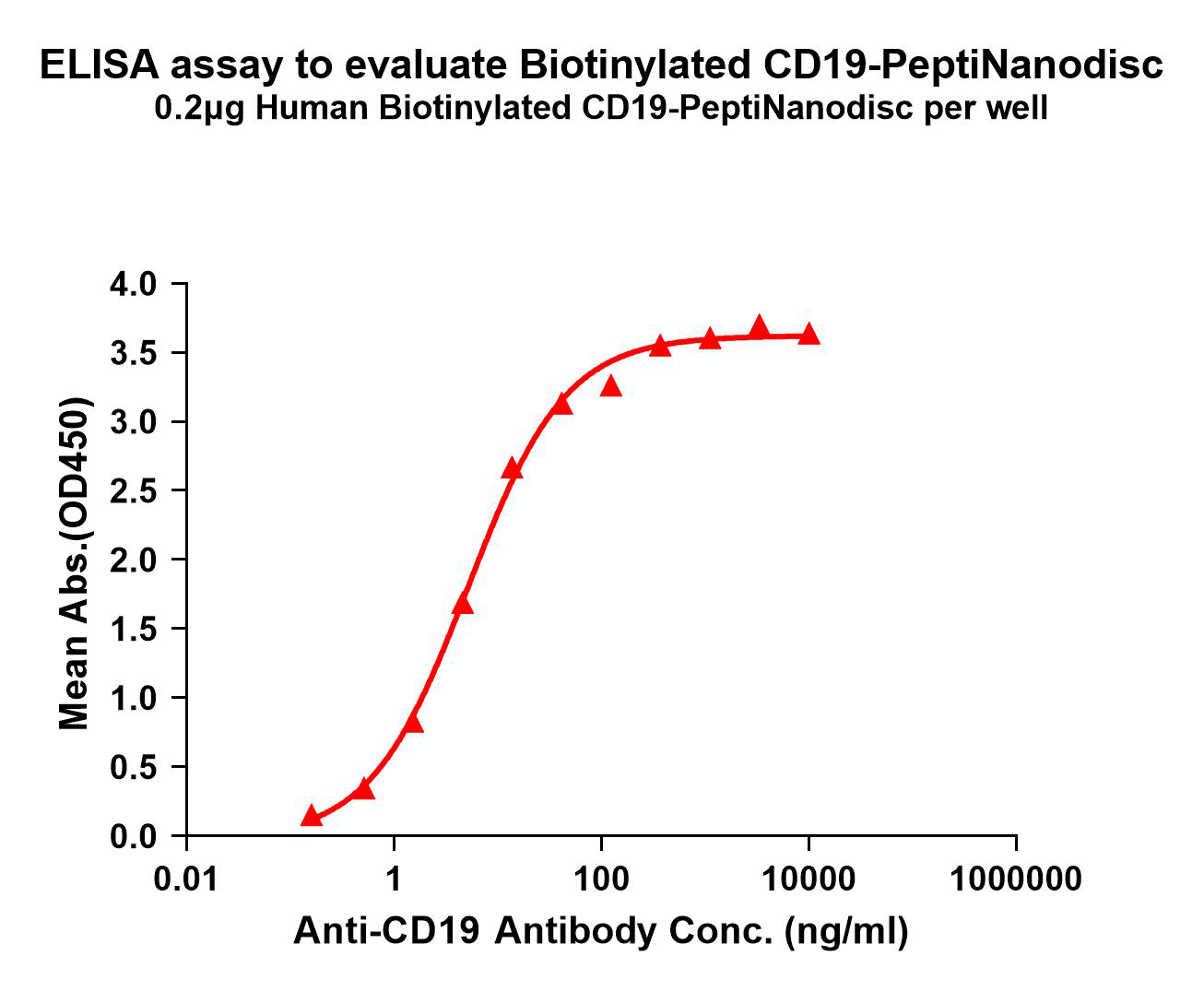
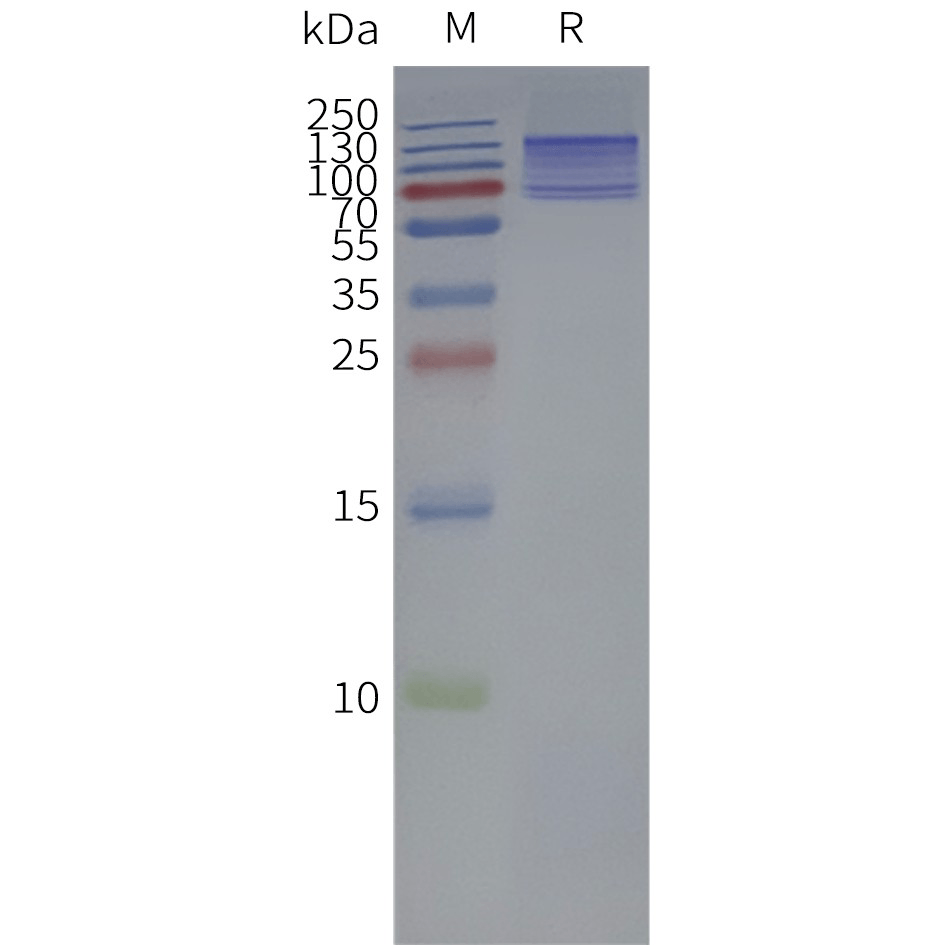
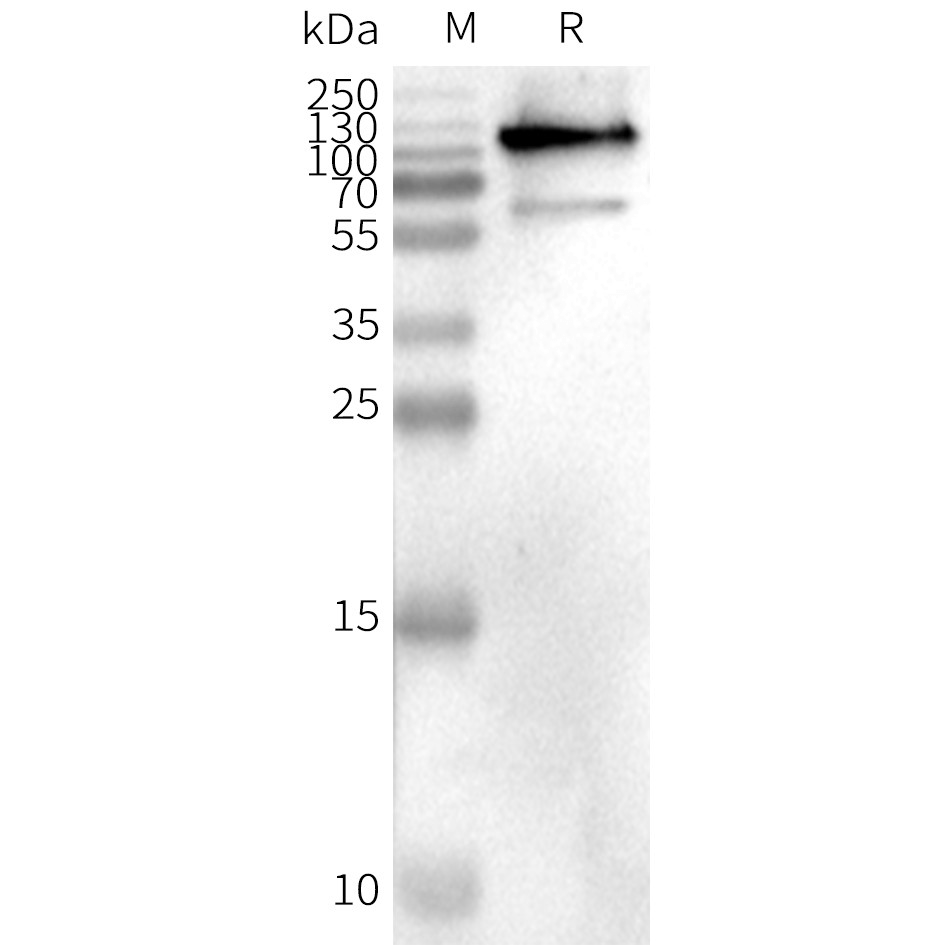
| Description | Biotinylated Human CD19 full length protein-PeptiNanodisc |
| Delivery | In Stock |
| Uniprot ID | P15391 |
| Expression Host | HEK293 |
| Protein Families | Druggable Genome, Transmembrane |
| Protein Pathways | B cell receptor signaling pathway, Hematopoietic cell lineage, Primary immunodeficiency |
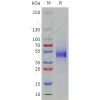
| Molecular Weight | The human full length CD19 protein has a MW of 61.1 kDa |
| Formulation & Reconstitution | Lyophilized from nanodisc solubilization buffer (20 mM Tris-HCl, 150 mM NaCl, pH 8.0). Normally 5% – 8% trehalose is added as protectants before lyophilization. Please see Certificate of Analysis for specific instructions. Do not use solvents with a pH below 6.5 or those containing high concentrations of divalent metal ions (greater than 5 mM) in subsequent experiments. |
| Storage & Shipping | Store at -20°C to -80°C for 12 months in lyophilized form. After reconstitution, if not intended for use within a month, aliquot and store at -80°C (Avoid repeated freezing and thawing). Lyophilized proteins are shipped at ambient temperature. |
| Background | A member of the immunoglobulin gene superfamily. Expression of this cell surface protein is restricted to B cell lymphocytes. This protein is a reliable marker for pre-B cells but its expression diminishes during terminal B cell differentiation in antibody secreting plasma cells. The protein has two N-terminal extracellular Ig-like domains separated by a non-Ig-like domain, a hydrophobic transmembrane domain, and a large C-terminal cytoplasmic domain. This protein forms a complex with several membrane proteins including complement receptor type 2 (CD21) and tetraspanin (CD81) and this complex reduces the threshold for antigen-initiated B cell activation. Activation of this B-cell antigen receptor complex activates the phosphatidylinositol 3-kinase signalling pathway and the subsequent release of intracellular stores of calcium ions. This protein is a target of chimeric antigen receptor (CAR) T-cells used in the treatment of lymphoblastic leukemia. Mutations in this gene are associated with the disease common variable immunodeficiency 3 (CVID3) which results in a failure of B-cell differentiation and impaired secretion of immunoglobulins. CVID3 is characterized by hypogammaglobulinemia, an inability to mount an antibody response to antigen, and recurrent bacterial infections. |
| Usage | Research use only |
| Conjugate | Biotinylated |


服務(wù)熱線
400-006-0995
18062749453
